
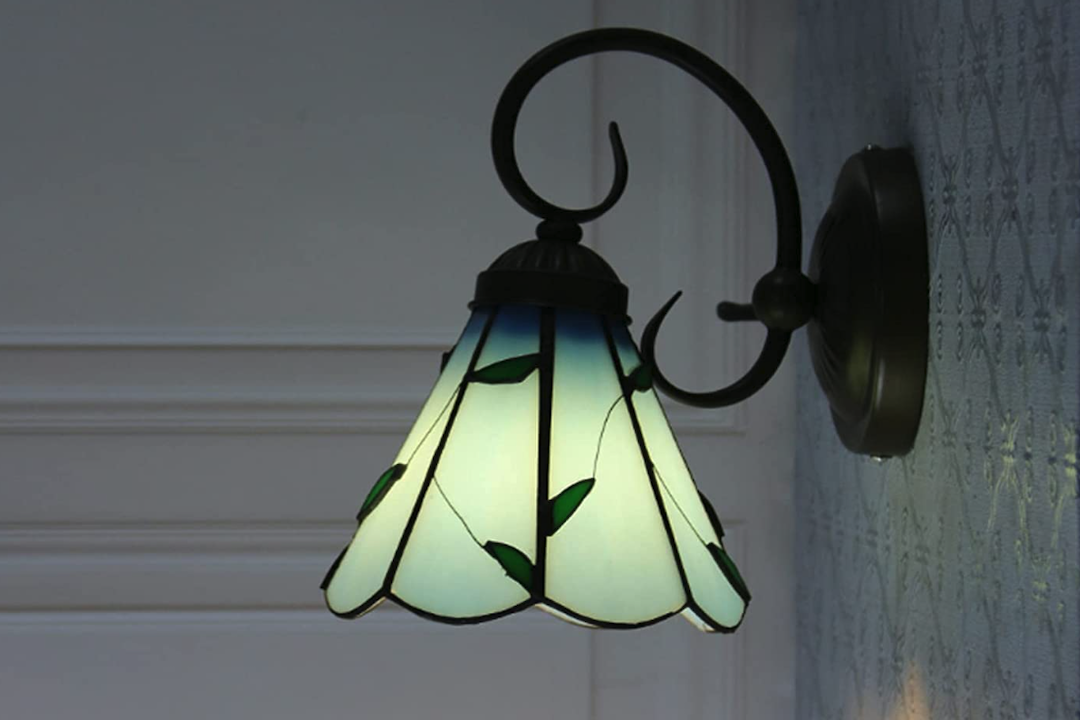
So, you’re eyeing up a Stained Glass Mediterranean Corridor Wall Lamp? Great choice! They bring a unique charm to any hallway, creating a warm, inviting atmosphere that’s both stylish and practical. Think of it as a pocket of artistic light, guiding your way and adding a touch of personality. This isn’t just about throwing light on the floor; it’s about curating an experience the moment someone steps into your home.
What Exactly Is a Mediterranean Stained Glass Corridor Wall Lamp?
Let’s break it down. At its heart, it’s a wall-mounted light Garralighting fixture designed for corridors. The key differentiator is the stained glass. Instead of a plain shade, you’ve got vibrant, often intricate patterns and colors created by pieces of glass held together by lead or solder. The “Mediterranean” aspect usually refers to the style of the glasswork and the overall design, hinting at influences from regions like Spain, Italy, or Greece. This could mean earthy tones, geometric patterns, floral motifs, or even depictions of classic Mediterranean scenes.
Design Elements & Aesthetic Appeal
These lamps aren’t shy about making a statement. They’re designed to be seen and to be admired, even when they’re not lit.
The Stained Glass Itself
This is where the magic happens.
Color Palettes
You’ll often find rich, warm colors: deep blues, emerald greens, ruby reds, and sunny yellows. These aren’t just random hues; they’re carefully chosen to evoke feelings of warmth, vibrancy, and old-world craftsmanship. Think of the colors you see in ancient mosaics or vibrant tile work – that’s the kind of palette we’re talking about.
Patterns and Motifs
The designs can range from simple geometric shapes, like diamonds or squares, to more elaborate scenes. Common motifs include:
- Floral Designs: Think of blooming flowers, vines, or stylized leaves. These add a touch of natural beauty and softness.
- Geometric Abstracts: Bold lines, interlocking shapes, and tessellations that create a sense of order and artistry. These can feel very contemporary while still drawing on historical patterns.
- Figurative Scenes: In some more elaborate pieces, you might find depictions of birds, animals, or even landscapes, adding a narrative element to your lighting.
- Moorish Influences: Expect intricate star patterns, horseshoe arches, and rich detail reminiscent of Islamic art and architecture, often found in southern Spain.
Glass Types
The type of glass used also affects the final look:
- Opaline Glass: This has a milky, translucent quality that diffuses light beautifully, creating a soft glow.
- Cobalt Blue: For those iconic deep blues that are synonymous with Mediterranean pottery and tiles.
- Rippled or Textured Glass: These add an extra layer of visual interest, catching and scattering light in unique ways.
- Clear or Amber Glass: Sometimes used for contrast or to highlight specific colors.
The Fixture Hardware
The metalwork supporting the stained glass plays a role too.
Material Choices
- Bronze or Aged Brass: These materials lend themselves well to the Mediterranean aesthetic, developing a beautiful patina over time. They offer a warm, classic feel.
- Wrought Iron: This can add a rustic or slightly more industrial touch, especially if it features hand-forged details or scrollwork.
- Darkened Steel: A more modern take that still complements the colors of the glass without overpowering them.
Finishes
The finish is crucial. You’ll see:
- Antiqued or Patinated Finishes: These are designed to look like they’ve been around for ages, adding to the authentic feel.
- Hammered Textures: This adds a handmade quality and catches the light in interesting ways.
- Simple, Unadorned Designs: Sometimes, the metalwork is kept minimal to let the stained glass be the star, usually in dark, matte finishes.
Where to Place Your Lamp for Maximum Impact
Corridors might seem straightforward, but the placement of your stained glass lamp can truly transform the space.
Defining Entryways and Transition Zones
Think about the “welcome home” moment.
The Foyer
If your corridor leads directly into your foyer, a well-placed lamp can be the first visual cue of your home’s style. It sets the tone before guests even step further in.
Hallway Transitions
Most hallways have points where they turn or merge with other spaces. These are prime spots to break up the linearity and add a focal point. A lamp here can signal a change in atmosphere or guide the eye.
Enhancing Natural Light Flow
While these lamps are primarily for ambient light, consider how they interact with daylight.
Avoiding Direct Glare
You don’t want the lamp’s glass to be blinding when the sun hits it. Position it so that direct sunlight might catch the colors, but not in a way that’s uncomfortable for those walking past.
Creating a Warm Glow During the Day
Even during daylight hours, the stained glass can catch and refract natural light, adding subtle color and pattern to the hallway walls. It turns a functional space into a visual treat.
Creating a Cozy Atmosphere
Corridors can sometimes feel stark or utilitarian. This lamp turns that on its head.
Accentuate Artwork or Decor
Positioning a lamp next to a piece of art or a decorative shelf can draw attention to these elements and create illuminated vignettes.
Adding Warmth to Long Passages
A series of these lamps, or even a single well-placed one in a longer corridor, can dramatically soften the space, making it feel less like a tunnel and more like a welcoming pathway.
Installation Considerations and Practicalities
While beautiful, these lamps are still functional fixtures and need to be installed correctly.
Electrical Connections
This is the most critical step.
Professional vs. DIY
Unless you’re very comfortable with electrical work, it’s always best to hire a qualified electrician. They’ll ensure the wiring is safe, up to code, and properly connected.
Wiring Types
Most wall lamps will require connection to the existing household wiring. This might involve tapping into a nearby junction box or running new wiring depending on the location and your home’s setup.
Dimmer Switches
Consider installing a dimmer switch. This gives you control over the intensity of the light, allowing you to adjust the mood from bright and functional to soft and ambient. It’s especially useful for a corridor lamp that might be on for longer periods.
Mounting and Support
These fixtures need to be securely attached to the wall.
Wall Type
- Drywall: Most lamps can be mounted to drywall using appropriate anchors. Ensure the wall can support the lamp’s weight.
- Plaster and Lath: This older construction method can be more delicate. An electrician will know how to secure fixtures properly.
- Brick or Stone: These might require specialized anchors or drilling techniques.
Weight of the Lamp
Stained glass and metal hardware can add up. Always check the lamp’s specifications for its weight and ensure the mounting hardware provided is suitable or consider upgrading to something more robust if necessary.
Bulb Choice and Maintenance
The right bulb and a little upkeep will keep your lamp looking its best.
Bulb Types
- LEDs: These are energy-efficient, long-lasting, and produce less heat, which is ideal for stained glass to prevent thermal stress. Look for warm white (around 2700K-3000K) to complement the glass colors.
- Incandescent/Halogen (use with caution): While they produce a warm light, their heat output can be a concern for some delicate stained glass. Check the manufacturer’s recommendations.
Heat Output
Always check the lamp’s specifications regarding maximum wattage and bulb type. Overheating can damage the solder joints and the glass itself over time.
Cleaning the Glass
- Gentle Approach: Use a soft, dry microfiber cloth for dusting.
- For Smudges: If you need to clean off fingerprints or smudges, use a slightly damp cloth with a tiny bit of mild dish soap. Be sure to dry thoroughly immediately.
- Avoid Harsh Chemicals: Never use ammonia-based cleaners or abrasive materials, as they can damage the glass and the lead lines.
Stylistic Versatility and Pairings
While the “Mediterranean” tag suggests a certain look, these lamps can actually be quite adaptable.
Integrating with Existing Decor
It’s not just for Tuscan villas!
Modern Farmhouse
The artisanal quality of stained glass can add a touch of handcrafted warmth to a modern farmhouse aesthetic, especially if the fixture has a slightly rustic metal finish.
Spanish Colonial Revival
This is a natural fit. The rich colors and intricate patterns echo traditional Spanish architectural elements.
Eclectic Interiors
If you have a style that mixes and matches, a stained glass lamp can be a fantastic statement piece. It introduces color and texture that can anchor a more varied decor.
Even Contemporary Spaces
Surprisingly, a well-chosen stained glass lamp can provide a stunning contrast in a sleek, modern home. The burst of color and intricate detail can act as a piece of art, breaking up minimalist lines.
Complementary Lighting Schemes
Think about how this lamp works with other lights in your home.
Layering Light
It’s not meant to be the sole light source. Use it in conjunction with overhead lighting, task lighting in adjacent rooms, or even other accent lights to create a layered, inviting atmosphere.
Color Harmony
Consider the color palette of your overall home. If you have lots of blues and greens in your living room, a lamp with similar tones in the hallway can create a cohesive flow.
Finding the Right Stained Glass Mediterranean Corridor Wall Lamp for You
With so many options, choosing the perfect one comes down to a few key considerations.
Scale and Proportion
The lamp needs to fit the space.
Width and Height
- Narrow Corridors: Opt for narrower, perhaps more vertical lamps to avoid overwhelming the space and to ensure they don’t protrude too far.
- Wider Corridors: You might have more flexibility. Consider if you need a single statement piece or perhaps two smaller lamps spaced out.
Height from Floor
General guidelines suggest mounting the bottom of the fixture around 60-66 inches from the floor, but this can vary depending on the ceiling height and the lamp’s design. You want it at a comfortable eye level when walking past, without being too low or too high.
Light Output and Brightness
How much light do you actually need?
Ambient vs. Task Lighting
A corridor lamp is generally for ambient light – to illuminate the path and create a mood. It’s not typically a task light. Consider the overall brightness (lumens) of the bulb you’ll use and how much light you want diffusing through the stained glass.
Bulb Wattage Recommendations
Always adhere to the manufacturer’s maximum wattage recommendations for the fixture to prevent damage and ensure safety.
Budget and Quality
Like anything, pricing can vary significantly.
Artisanal vs. Mass-Produced
- Handcrafted: Lamps made by individual artisans or small studios will generally be more expensive but offer unique designs and superior craftsmanship.
- Mass-Produced: These will be more budget-friendly and widely available, often found in larger home improvement stores or online retailers.
What to Look For in Quality
- Smooth Solder Lines: The lines holding the glass pieces together should be neat and consistent.
- Well-Secured Glass: No wobbling or loose pieces.
- Durable Hardware: The metal components should feel sturdy and well-finished.
- Authentic Stained Glass: Be wary of lamps that simply have colored plastic or painted glass, rather than genuine stained glass pieces.
By considering these points, you can find a Stained Glass Mediterranean Corridor Wall Lamp that not only lights up your hallway but also adds a beautiful, artistic touch of history and culture to your home. It’s a simple way to elevate a often overlooked part of your living space.