
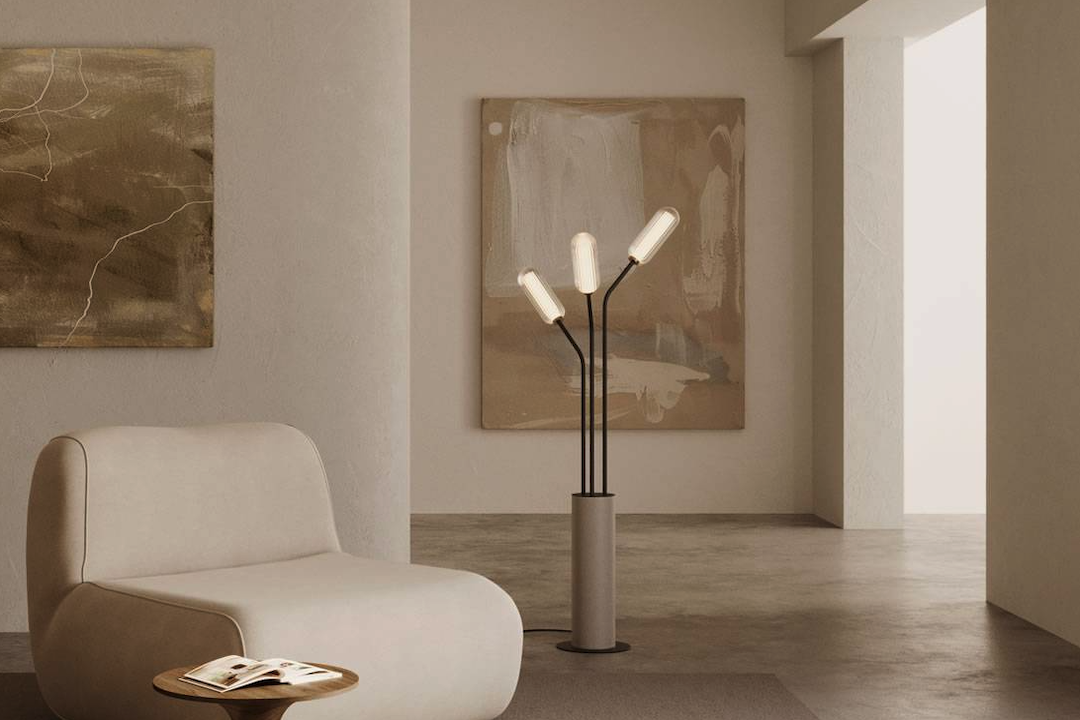
A Scandinavian glass floor lamp, in essence, is a lighting fixture designed to provide ambient light, characterized by minimalist aesthetics, natural materials—often including frosted or clear glass—and a focus on functionality and soft illumination. It’s about bringing light into a space in a way that feels natural and unobtrusive, rather than making a bold statement. These lamps are meant to enhance a room’s atmosphere, making it feel more open and calm, without drawing excessive attention to themselves.
Understanding the Scandinavian Design Philosophy
The core of Scandinavian design lies in its practicality and simplicity. It’s not just about how something looks, but also how it functions and how it contributes to daily life. This design philosophy emerged from a region with long, dark winters, where designing spaces that felt bright, warm, and inviting was crucial.
Functionality Over Ornamentation
One of the most defining characteristics is the emphasis on functionality. Every element serves a purpose. There’s no room for unnecessary embellishments. A Scandinavian glass floor lamp Acorohome isn’t there to showcase intricate detailing you’d find in, express an ornate Venetian style; it’s there to provide light, and it does that with elegant directness. The form follows the function, ensuring that the lamp is both useful and aesthetically pleasing without being overly decorative.
Connection to Nature
Another key aspect is the strong connection to nature. This is evident in the use of natural materials like wood, linen, and, in the case of glass lamps, glass itself. The colors often echo natural landscapes: whites, grays, blues, and muted greens. This connection isn’t just about appearances, but also about creating a sense of calm and well-being, similar to what one might experience in nature. The glass diffusers often mimic natural light diffusion, softening reflections.
Hygge and Everyday Comfort
The concept of “Hygge” (a Danish and Norwegian word for a mood of coziness and comfortable conviviality with feelings of wellness and contentment) heavily influences Scandinavian design. It’s about creating a warm, comfortable, and inviting atmosphere. A Scandinavian glass floor lamp contributes to this by emitting a soft, diffused light that makes a room feel more intimate and relaxed, fostering a sense of peace rather than high-energy stimulation. It’s the kind of light you’d want for quiet evenings at home.
Key Characteristics of Scandinavian Glass Floor Lamps
When you’re looking at a Scandinavian glass floor lamp, certain features consistently stand out. These aren’t accidental choices; they are deliberate design decisions rooted in the philosophy.
Minimalist Aesthetics
The look is clean, uncluttered, and stripped down to essential forms. You won’t typically find elaborate curves or complex structures. Instead, you’ll see straight lines, simple geometric shapes, and a lack of extraneous details. The beauty comes from the purity of the form and the quality of the materials, allowing the lamp to blend seamlessly into various interior styles without dominating the space.
Use of Frosted or Opal Glass
The glass component is rarely clear and sparkling. Instead, it’s often frosted, opal, or milk glass. This choice is deliberate: it’s about diffusion, not direct illumination. Frosted glass scatters light more evenly, eliminating harsh shadows and bright spots. The result is a soft, ambient glow that spreads comfortably throughout the room, reducing glare and creating a gentler visual experience compared to unshielded light sources.
Natural Material Combinations
While the core is glass, Scandinavian floor lamps often pair it with other natural materials. Wood, particularly light-colored varieties like birch or ash, is a common choice for the base or stem. Sometimes you’ll see metal accents, but they are typically brushed or matte finishes rather than highly polished chrome, which can feel too industrial or flashy. These material combinations create a tactile and visually harmonious balance.
Soft, Diffused Lighting
The primary goal of these lamps is to provide ambient light. They are not intended to be task lights for reading or intricate work, where focused illumination is needed. Instead, they cast a broad, gentle glow that softens the overall atmosphere of a room. This type of lighting is ideal for creating a relaxing environment, perfect for unwinding after a long day or engaging in quiet conversation.
Design Variations and Styles
While the core principles remain constant, there’s still a good range of variations within Scandinavian glass floor lamps. These differences often reflect specific eras or a designer’s unique interpretation of the aesthetic.
Classic Modernist Designs
Many classic Scandinavian designs from the mid-20th century still influence contemporary models. Think of iconic pieces from designers like Poul Henningsen or Alvar Aalto (though his lamps were primarily metal, the principle of diffused light is relevant). These older designs often feature multiple glass shades nested together to direct light and prevent glare, a sophisticated approach to light management that is still sought after today for its elegant engineering and visual appeal.
The Artichoke Lamp (Though not glass, it embodies diffusion principles)
While Poul Henningsen’s famous Artichoke Lamp uses metal blades, its principle of eliminating glare and diffusing light in a warm, inviting way is very much in line with Scandinavian lighting philosophy. Its multifaceted design meticulously hides the light source, casting soft light in every direction without any direct view of the bulb. This design ethos is translated into glass lamps through the use of complex, layered glass shades or unique internal diffusers.
Minimalist Cylindrical or Spherical Forms
Contemporary Scandinavian glass lamps often lean towards simpler geometric forms. Cylindrical or spherical diffusers are common, often placed on slender, understated bases. These designs are highly adaptable and fit well into modern minimalist interiors where clean lines and simple shapes are preferred. The beauty lies in the perfection of the basic form.
Column-style Lamps
These lamps often feature a tall, slender glass cylinder as the main light source, sometimes with a very subtle texture or an opal finish. The light emanates evenly along the entire height of the column, creating a soft, vertical glow that can make a room feel taller and more expansive. The base is usually a simple disc of wood or metal.
Sculptural Elements (Subtle)
While not overtly decorative, some Scandinavian glass floor lamps incorporate subtle sculptural elements. This could be a uniquely shaped glass shade or a base that has a gentle curve rather than a strict straight line. The focus is still on simplicity, but with an added artistic touch that prevents the design from feeling too stark. These slight variations add character without disrupting the overall minimalist feel, offering an engaging element.
Off-kilter Balance
Occasionally, you might see a lamp where the glass shade is deliberately off-center or balanced in an unexpected way on a thin stem. This creates a subtle visual tension and interest, making the lamp a focal point without being loud. The effect is usually controlled and artful, avoiding any sense of instability in actual perception.
Practical Considerations for Placement and Use
Buying a Scandinavian glass floor lamp is about more than just aesthetics; it’s about how it will integrate into your living space and enhance your daily life. Thoughtful placement can maximize its benefits.
Enhancing Room Atmosphere
These lamps excel at creating a cozy and inviting atmosphere. Place them in corners, next to a sofa, or in a reading nook to cast a warm glow that makes the space feel more intimate. They can soften the overall lighting in a room, especially if your primary lighting is overhead and can feel a bit harsh on its own. They contribute to the general feeling of comfort.
Layering Light Sources
Scandinavian design often advocates for layering light. A glass floor lamp forms part of this strategy, providing soft ambient light that complements task lighting (like a reading lamp) and accent lighting (like a spotlight on artwork). This combination allows you to adjust the luminosity and mood of a room throughout the day, creating different zones of illumination that meet diverse needs.
Avoiding Glare and Harsh Shadows
Due to their diffused light, Scandinavian glass floor lamps are excellent for reducing glare. This is particularly important for eye comfort, especially in spaces where you spend a lot of time relaxing or using screens. The even distribution of light also helps eliminate harsh shadows, making a room feel more open and less dramatic.
Softening Corners
Dark corners can make a room feel smaller and less inviting. Placing a glass floor lamp in such a spot can brighten it without overwhelming it, making the space feel more balanced and easing the transitions between brighter and darker areas. The light can visually expand the confines of a room, creating a sense of more generous proportions.
Complementing Minimalist and Modern Interiors
Unsurprisingly, these lamps are a natural fit for minimalist, modern, and contemporary interior design styles. Their clean lines and understated elegance harmonize perfectly with uncluttered spaces, allowing the architecture and other carefully chosen elements of the room to shine. However, they are versatile enough to work in other settings as well, providing a touch of serenity.
Maintenance and Care for Glass Lamps
Glass, while beautiful, requires a bit of attention to keep it looking its best. Proper care ensures longevity and maintains the aesthetic integrity of your lamp.
Regular Cleaning of Glass Shades
Dust and fingerprints can quickly dull the appearance of a glass shade. Regular dusting with a soft, dry cloth is usually sufficient for day-to-day maintenance. For more stubborn marks, use a slightly damp microfiber cloth with water or a mild glass cleaner, then wipe dry immediately to prevent streaks. Avoid abrasive cleaners or harsh chemicals, which can damage the glass finish.
Handling with Care
Always handle glass shades with care, especially when cleaning or moving the lamp. Glass pieces can be fragile, and a drop or knock can lead to cracks or breakage. If possible, remove the shade from the base for a more thorough and safe cleaning experience, and reattach it only when completely dry.
Checking Electrical Components
Periodically inspect the electrical cord and plug for any signs of wear or damage. Ensure the bulb is the correct wattage and type specified for the lamp to prevent overheating. If you notice any flickering or inconsistent lighting, it’s a good idea to have it checked by a qualified electrician to ensure safety. This is generally good advice for any electrical appliance, reflecting basic safety practices.
Storing Spare Bulbs
Keep a supply of compatible light bulbs on hand. Given their diffused nature, many Scandinavian glass lamps work best with LED bulbs that emit a warm white light (around 2700K-3000K) to maintain that cozy ambiance. LEDs are also energy-efficient and last a very long time, reducing the frequency of bulb changes. Choosing the right bulb is key to achieving the desired lighting effect, as different color temperatures can alter the mood.