
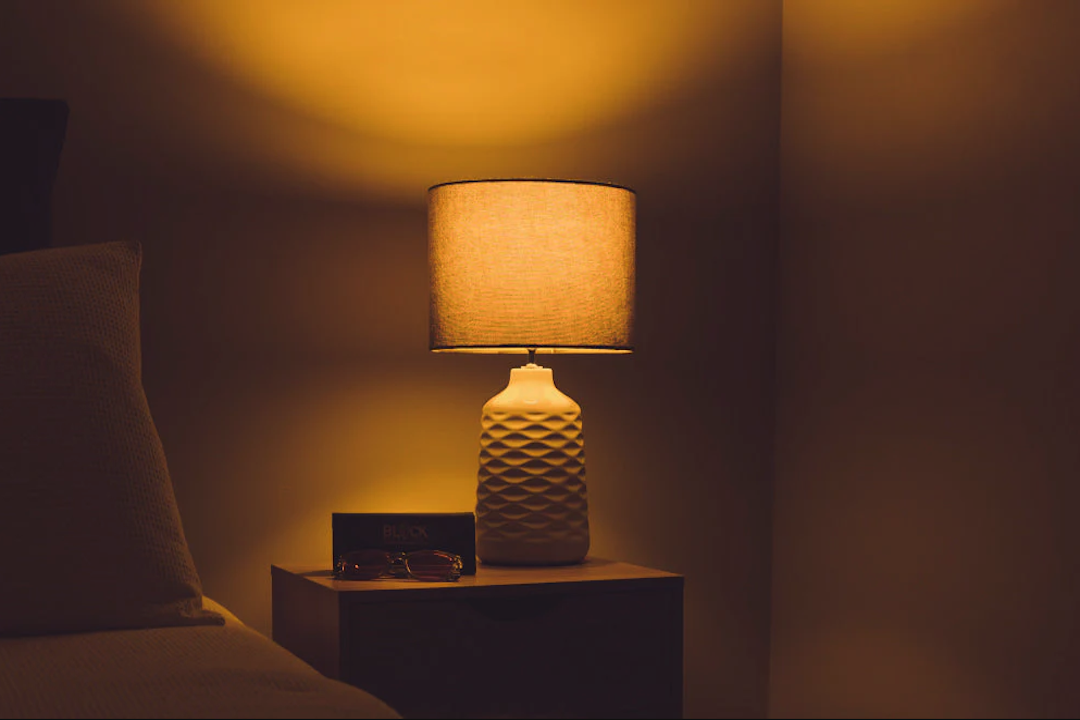
Ever wonder if that bright lamp by your bed is actually sabotaging your sleep? The short answer is yes, it very well might be. A warm, dimmable bedside lamp isn’t just about aesthetics; it’s a practical investment in better sleep and a more calm evening routine.
Let’s be honest, we often grab the first lamp that looks decent and provides enough light to read by. But that convenience can come at a cost to your nightly wind-down.
The Blue Light Problem
Most modern light Kikilighting bulbs, especially cooler-toned LEDs, emit a significant amount of blue light. It’s great for staying alert during the day, but at night, it’s a sleep disruptor.
- Mimics Daylight: Your body interprets blue light as daylight, which signals it to stay awake and suppress melatonin production. Melatonin is your body’s natural sleep hormone.
- messes with your Circadian Rhythm: Regular exposure to blue light in the evening can throw your internal clock out of whack, making it harder to fall asleep and wake up naturally.
- impacts Sleep Quality: Even if you do fall asleep, the quality of that sleep can suffer, leaving you feeling less refreshed the next day.
Too Bright, Too Harsh
A bedside lamp that’s too bright, even if it’s not emitting a lot of blue light, can still hinder relaxation.
- Strains Your Eyes: Trying to read or do a quiet activity under harsh light can strain your eyes, making it harder to settle down.
- Overstimulation: Bright light, in general, can be overstimulating, preventing your brain from shifting into a relaxed, pre-sleep state.
- Awkward Adjustments: Ever try to reach for a switch in the dark after someone’s already asleep? Or stumble around because the light is too dim? Not ideal.
The Science-Backed Benefits of Warm, Dimmable Light
It’s not just about what to avoid; it’s about what to embrace. Opting for a warm, dimmable light source specifically for your bedside offers concrete, science-supported advantages for your sleep.
Promoting Melatonin Production
The core of a good night’s sleep often boils down to melatonin. Warm, dim light is its best friend.
- Absence of Blue Light: Warm light sources, especially those with a lower Kelvin temperature (like 2700K or less), produce very little, if any, blue light. This allows your body to naturally increase melatonin levels as evening progresses.
- Signaling Nighttime: Your body’s internal clock responds to light cues. Warm, dim light signals that the day is ending and it’s time to prepare for sleep, fostering a natural rise in melatonin.
- Faster Sleep Onset: With adequate melatonin, you’re likely to feel drowsy and fall asleep more easily and quickly.
Supporting Your Circadian Rhythm
Your circadian rhythm is your body’s 24-hour internal clock, and it’s deeply influenced by light. Using the right kind of light at night can help keep it in sync.
- Consistent Cues: By consistently using warm, dim light in the evenings, you provide your body with predictable cues, reinforcing a healthy sleep-wake cycle.
- Reduced Jet Lag Effects: While not a cure-all, maintaining a consistent light environment at home can make your body more resilient to disruptions like travel or daylight saving changes.
- Improved Daytime Alertness: When your circadian rhythm is well-regulated by appropriate light exposure, you’ll likely experience more consistent energy levels during the day and less daytime grogginess.
Enhancing Relaxation and Comfort
Beyond the biological, there’s the psychological impact. Warm, dim light inherently creates a more soothing atmosphere.
- Calming Ambiance: Think of a cozy campfire or a candlelight dinner. There’s a reason these settings feel so relaxing. Warm, soft light promotes a sense of peace and comfort.
- Reduced Stress: A calm environment can help lower stress hormones like cortisol, further preparing your body for sleep.
- Creating a Sleep Sanctuary: Your bedroom should be a sanctuary for sleep. The right lighting is a key component of creating that inviting and restorative space.
Practicality of Dimmable Features
The “dimmable” aspect isn’t just a fancy add-on; it’s a practical necessity for a bedside lamp.
- Adjusting to Activities: Need a bit more light to find something quickly? Dim it down to read a few pages of a book? No problem. The flexibility allows you to tailor the light level to your specific needs without disrupting your sleep prep.
- Not Disturbing a Partner: This is huge. Being able to dim the light to a very low level means you can still see without blasting your sleeping partner with bright light.
- Gradual Light Reduction: As you get closer to bedtime, you can gradually reduce the light, subconsciously preparing your body for sleep. This subtle transition is far better than a sudden “lights out” moment.
Choosing the Right Warm Dimmable Bedside Lamp
So, you’re convinced. Now, how do you actually pick one out? There are a few key things to look for beyond just pretty designs.
Color Temperature: Understanding Kelvin (K)
This is perhaps the most crucial factor for promoting sleep.
- Lower K is Warmer: Look for bulbs with a color temperature of 2700 Kelvin (K) or less. This range is considered “warm white” or “soft white” and emits minimal blue light.
- Avoid “Daylight” or “Cool White”: Bulbs labeled 4000K, 5000K, or higher are designed to mimic daylight and are best avoided in the evening.
- Amber Lights: Some specialized sleep-focused lamps offer amber light, which is even further into the red spectrum and virtually free of blue light. This can be an excellent option for those with severe sleep issues or high blue light sensitivity.
Dimmability: Types and Features
Dimmability isn’t just about an on/off switch; it’s about control over brightness.
- Integrated Dimmer: Many modern bedside lamps come with a built-in dimmer switch, often a rotary knob, touch sensor, or remote control.
- Smart Bulbs: If you love tech, smart bulbs (like Philips Hue or LIFX) are an excellent investment. They allow you to control brightness and color temperature from your phone, and often integrate with smart home systems for scheduling or voice control.
- Compatible Dimmers: If you’re using an existing lamp, you’ll need to ensure both the bulb and the lamp’s wiring are compatible with a dimmer switch. An incandescent bulb is naturally dimmable, but for LED bulbs, look specifically for “dimmable LED” on the packaging.
Lamp Style and Placement
While less about the science of sleep, the physical design and placement still play a role in user experience and overall effectiveness.
- Direct vs. Diffused Light: A lamp with a shade that diffuses light evenly is often better than one that casts a harsh, direct beam. This helps create a softer, more ambient glow.
- Adjustable Arms/Heads: If you read in bed, an adjustable lamp head can be incredibly practical, allowing you to direct light precisely where you need it without disturbing a partner or over-lighting the room.
- Footprint and Stability: Consider the size of your nightstand and choose a lamp that fits well and is stable, preventing accidental knocks.
- Easy Access Controls: Ensure the dimmer and power switch are easy to reach from your bed, especially when you’re sleepy.
Incorporating the Lamp into Your Evening Routine
Having the right lamp is only half the battle. How you use it is just as important. Think of it as a tool to help you unwind.
The “Hour Before Bed” Rule
This is a general guideline, but a powerful one.
- Dim Down Gradually: About an hour before you plan to sleep, start dimming your lights, or switch entirely to your warm, dimmable bedside lamp.
- Avoid Bright Overhead Lights: Resist the urge to turn on bright overhead lights during this time. Let your body know it’s time to wind down.
- Start Your Routine: Use this time for relaxing activities – reading in bed, gentle stretching, journaling, or listening to calming music.
Reading in Bed
One of the most common uses for a bedside lamp, and a great way to wind down, provided it’s done correctly.
- Optimal Brightness: Find the lowest comfortable brightness level for reading. You don’t want to strain your eyes, but you also don’t want it so bright that it stimulates you.
- Proper Positioning: Angle the light so it illuminates your book or e-reader without glaring into your eyes or reflecting off shiny surfaces.
- Physical Books Are Often Better: While many e-readers now have warm light settings, a physical book under a warm lamp is often the best choice for truly blue-light-free reading. If using an e-reader, ensure the blue light filter is maximized and brightness is low.
Gentle Wake-Up Solution
Some advanced warm, dimmable lamps, particularly smart ones, can even help with your morning routine.
- Simulated Sunrise: Certain models allow you to program a “sunrise” feature, where the light gradually brightens over 30-60 minutes before your alarm. This mimics a natural sunrise, making waking up feel more gentle and less jarring.
- Less Reliance on Loud Alarms: A gradual light wake-up can reduce your reliance on abrupt, loud alarms, which can be stressful.
- Improved Morning Mood: Waking up naturally with light can lead to a more positive and energetic start to your day.
Beyond the Bedside: Other Sleep-Friendly Lighting Tips
While your bedside lamp is a crucial player, think about your entire home environment as sleep prep starts much earlier than when you hit the pillow.
Whole-Home Light Strategy
Extend the principle of warm, dim lighting beyond just your bedroom.
- Living Room Lamps: In the evening, dim your main overhead lights and rely more on warmer, lower-intensity accent lamps around your living spaces.
- Kitchen Lighting: If you’re having a late snack or drink of water, avoid turning on harsh kitchen lights. Consider installing under-cabinet lighting with a warm setting or carrying a small, warm-toned flashlight.
- Bathroom Lighting: Bright bathroom lights can be particularly jarring at night. A small, permanent nightlight with a warm glow can be a lifesaver for those late-night trips.
Digital Device Discipline
This isn’t directly about lamps, but it’s crucial for managing light exposure before bed.
- Activate Night Shift/Blue Light Filters: Most phones, tablets, and computers have a “Night Shift” or “Blue Light Filter” mode. Turn these on at least an hour or two before bed. They shift the screen’s color temperature to a warmer, more amber tone.
- Reduce Screen Brightness: Even with filters, a bright screen is still stimulating. Dim your device screens as much as possible.
- Consider “Do Not Disturb” Modes: Minimize notifications and distractions that might prompt you to check your phone right before bed, further exposing you to blue light.
- Ideally, No Screens in Bed: The best solution, if possible, is to simply avoid screens in bed altogether. Use your warm bedside lamp for reading or other quiet activities instead.
Changing your bedside lamp might seem like a small thing, but it’s a remarkably effective and practical step towards better sleep. By understanding the science behind light and sleep, and making a conscious choice to embrace warm, dimmable lighting, you’re investing in a more peaceful evening routine and a more restorative night’s rest. It’s not just about turning off the lights; it’s about turning on the right kind of light for sleep.