
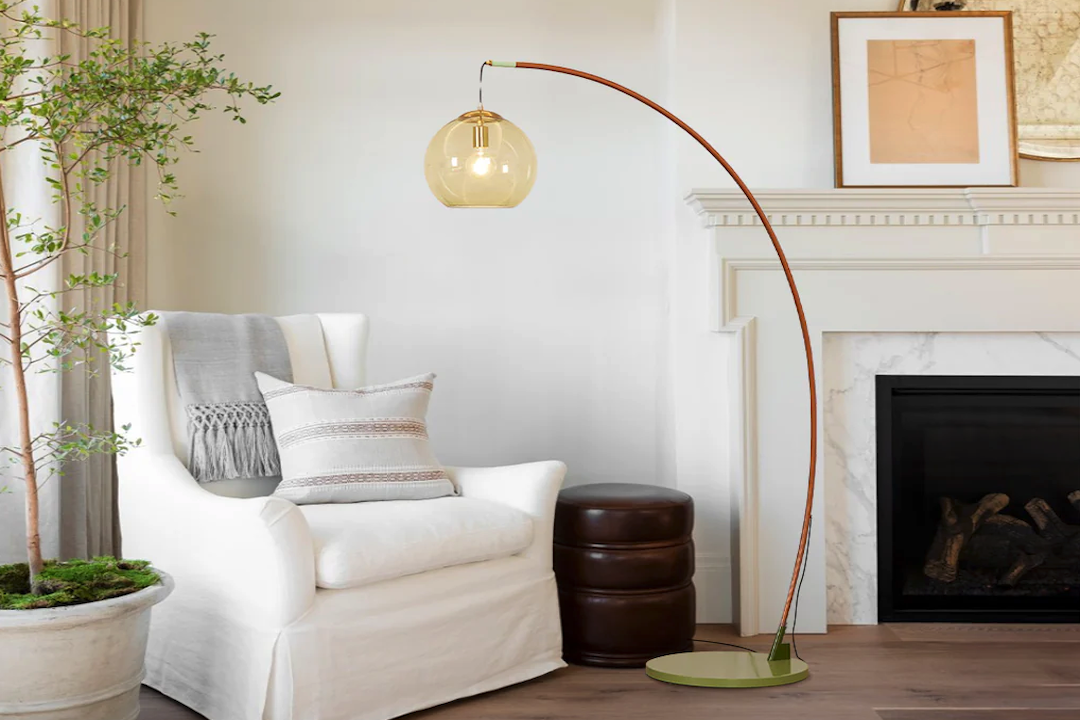
Let’s talk about the sleek glass shade floor lamp – what it is, why it might be a good fit, and what to consider when you’re looking for one. Essentially, it’s a floor lamp characterized by a minimalist design, usually featuring a metal base and pole, topped with a glass shade. The beauty of these lamps lies in their simplicity and ability to blend seamlessly into various interior styles while providing functional and often atmospheric lighting. They’re a popular choice for those seeking understated elegance and effective illumination without a lot of visual clutter.
When we say “sleek,” we’re generally talking about clean lines and an uncluttered aesthetic. There aren’t many frills or excessive ornamentation here. The focus is on the lamp’s functional form and the quality of its materials.
The Lean Profile
A hallmark of sleek design is its unobtrusive presence. These lamps Garralighting often have slender profiles, meaning the base and pole are typically thin. This makes them ideal for smaller spaces or areas where you don’t want a lamp to dominate the room. They can tuck neatly beside a sofa, desk, or even in a corner without feeling bulky.
The Glass Shade Element
This is where the “glass shade” part comes in. The shade itself is usually made of glass, which can come in various forms. Unlike fabric or metal shades that block or direct light more aggressively, a glass shade often allows for a more diffused and expansive light distribution, contributing to a softer ambiance in a room.
Types of Glass Shades
- Opal or Frosted Glass: These shades are common and provide an evenly diffused light. They soften the bulb’s intensity, reducing glare and creating a warm, inviting glow. This is often the go-to for general room illumination.
- Clear Glass: For a more direct and brighter light, clear glass shades are an option. They expose the bulb, so the type of bulb you choose becomes more critical – often decorative or vintage-style bulbs are paired with clear shades. They can offer a more architectural or industrial feel.
- Smoked or Tinted Glass: These add a touch of drama or a specific color cast to the light. Smoked glass, for instance, can create a moody, sophisticated atmosphere, while tinted glass might lean into a specific color palette in your decor.
- Ribbed or Textured Glass: While still sleek, these can add a subtle visual interest and a unique light disbursement pattern. The texture refracts the light in interesting ways, creating subtle patterns on walls or ceilings.
Materiality Beyond Glass
While the shade is glass, the rest of the lamp usually consists of metal. The choice of metal finish plays a significant role in the lamp’s overall aesthetic and how it integrates with your existing decor.
Common Metal Finishes
- Brushed Nickel/Chrome: These cool-toned finishes are popular for modern and contemporary interiors. They offer a clean, reflective look that can brighten a space.
- Matte Black: A very versatile and popular choice, matte black provides a strong contrast and a sophisticated edge. It works well in industrial, minimalist, and even some eclectic settings.
- Brass/Gold (Polished or Brushed): These warmer tones bring a touch of classic elegance or a mid-century modern vibe. Polished brass can be quite striking, while brushed brass offers a more subdued, antique feel. Bronze also falls into this category, offering a deeper, richer tone.
- Bronze: Offers a darker, more rustic, or industrial feel than brass, often with a slightly textured or aged appearance. It can be quite versatile, fitting into both traditional and contemporary settings depending on the overall design of the lamp.
Why Choose a Sleek Glass Shade Floor Lamp?
There are several practical reasons why these lamps are a popular choice for various settings. They aren’t just about looks; they offer functional benefits too.
Versatile Design Integration
One of the biggest advantages is their adaptability. Because of their clean lines and often neutral color palette (especially with metal and glass), they can fit into a wide array of interior styles without clashing.
Adapting to Different Styles
- Modern & Contemporary: This is their natural habitat. Their minimalist form perfectly complements the clean aesthetics of modern design, emphasizing function and simplicity.
- Mid-Century Modern: With specific metal finishes like brushed brass and certain glass shade shapes, they can easily evoke a mid-century feel, particularly when paired with era-appropriate furniture.
- Industrial: A matte black finish, clear glass, and an exposed bulb can lean heavily into an industrial aesthetic, particularly in lofts or urban spaces.
- Minimalist: The very definition of sleek and uncluttered, these lamps excel in minimalist environments where every object has a purpose and contributes to a sense of calm.
- Transitional: Even in spaces that blend traditional and modern elements, a sleek glass shade floor lamp can act as a bridge, offering a contemporary touch without being overtly avant-garde.
Effective and Diffused Lighting
The glass shade isn’t just for show. It plays an important role in how the light is distributed in a room.
Achieving Ambient Lighting
Glass, especially frosted or opal, provides excellent ambient lighting. Unlike task lamps that focus light intensely on a small area, these lamps often aim to light a broader section of a room. This creates a comfortable, overall glow that reduces harsh shadows and glare, making a space feel more open and inviting. They are great for complementing overhead lighting or as standalone sources of light in a smaller room.
Space-Saving Footprint
As mentioned, their slender design means they don’t take up much floor space. This is a significant advantage in urban apartments, smaller living rooms, or bedrooms where square footage is at a premium.
Ideal for Tight Spots
They can easily fit behind an armchair, in the corner of a room, or next to a console table without feeling like an obstruction. This makes them a practical choice for adding light where an overhead fixture might not reach, or where a bulkier lamp would feel overwhelming.
Considerations When Buying
Before you commit to a specific lamp, it’s worth thinking through a few practical points to ensure you get one that truly meets your needs.
Size and Scale
Don’t just look at the photo online. The physical dimensions of the lamp are crucial, especially in relation to the space where it will reside.
Matching the Room’s Dimensions
A very tall, slender lamp might look elegant in a high-ceilinged room but feel disproportionate in a room with standard ceiling heights. Conversely, a shorter lamp might get lost in a large, open-plan living area. Measure your space, consider the height of your furniture (like your sofa or armchairs), and visualize the lamp in situ. The top of the shade should ideally be somewhere around eye-level when you’re seated, or slightly above, to avoid direct glare.
Bulb Type and Brightness
The type of bulb you insert will significantly impact the light quality and overall energy efficiency. This is particularly important with glass shades, as the bulb is often more visible.
Choosing the Right Bulb
- LED Bulbs: These are almost always the best choice for efficiency and longevity. They come in various color temperatures (warm white, cool white, daylight) and brightness levels (lumens). Look for dimmable LEDs if you want adjustable lighting.
- Color Temperature: For ambient lighting, especially in living rooms or bedrooms, a warmer color temperature (2700K-3000K) often feels cozier and more inviting. Cooler temperatures (4000K and above) are more akin to daylight and are often preferred for task lighting, though can work in modern spaces.
- Lumens (Brightness): Instead of watts, focus on lumens to determine brightness. For a floor lamp providing ambient light, aim for around 800-1600 lumens, depending on the room size and other light sources.
- Decorative Bulbs: If your glass shade is clear, consider decorative Edison-style or globe bulbs. These aren’t always the most efficient, but their aesthetic can be part of the lamp’s appeal. Ensure their light output is still sufficient for your needs.
Switch Mechanism
It might seem minor, but how you turn the lamp on and off affects its convenience.
Common Switch Types
- Foot Switch (In-line): Often placed on the power cord, these are convenient for floor lamps as you can tap them with your foot. This is a very common and practical option for floor lamps.
- Rotary Switch: Usually located on the lamp head or neck, these require you to reach down or up. Good for lamps next to a sofa where it’s easily accessible.
- Pull Chain: Less common on sleek modern designs but still found. Offers a somewhat tactile, traditional feel.
- Touch Dimmer: Some more advanced lamps integrate touch-sensitive dimming into the lamp pole or base, offering sleek functionality and brightness control.
- Smart Plug Compatibility: If the lamp has a simple on/off switch, you can often pair it with a smart plug to control it via voice commands or an app, adding a layer of contemporary convenience.
Stability and Base Design
A floor lamp needs to be stable, especially if it’s in a high-traffic area or if you have pets or small children.
Ensuring a Steady Foundation
- Heavy Base: Look for lamps with a substantial, heavy base. This prevents tipping. Some bases are weighted internally with sand or metal.
- Footprint of the Base: While sleek, ensure the base isn’t so small it makes the lamp wobbly. A wider, flat base generally provides more stability than a very small, heavily weighted disc.
- Construction Quality: Gently test the lamp’s construction. Does the pole feel sturdy, or does it flex easily? Quality materials and assembly contribute to long-term stability.
Placement Pointers for Optimal Lighting
Once you’ve chosen your sleek glass shade floor lamp, where you put it can make all the difference in how it functions and how your room feels.
Complementing Seating Areas
These lamps are often found next to sofas, armchairs, or reading nooks. They provide localized ambient light, making these areas feel more intimate and functional for lounging or conversation.
Enhancing Reading Nooks
Place the lamp slightly behind and to the side of your favorite reading chair. The diffused light from a glass shade can be gentle on the eyes, offering enough illumination without harsh glare, making it a great companion for a good book.
Corner Illumination
If you have a dark corner that feels unwelcoming, a sleek floor lamp can be a simple solution. It adds light and can highlight artwork or plants in that area, making the space feel more complete.
Adding Depth to a Room
Lighting a corner can actually make a room appear larger and more inviting by eliminating dark spots that tend to shrink a space visually. The upward or outward spread of light from a glass shade can be very effective here.
Alongside Console Tables or Buffets
In hallways, dining rooms, or living rooms, a floor lamp can stand next to a console table, adding height and a soft glow. This is especially useful for creating atmospheric lighting during evening gatherings.
Creating a Vignette
Pair the lamp with carefully selected decor items on the console table – perhaps a plant, a stack of books, or a piece of art – to create a visually interesting vignette that draws the eye and adds personality to the space.
Maintenance and Care
Glass and metal are generally low-maintenance materials, but a little care goes a long way in keeping your lamp looking its best.
Cleaning the Glass Shade
Dust and fingerprints are inevitable, especially on clear glass. Regular, gentle cleaning will keep your lamp sparkling.
Simple Cleaning Steps
- Dust Regularly: A soft microfiber cloth or a feather duster can handle everyday dust. Make sure the lamp is unplugged before you start.
- Fingerprints and Smudges: For more stubborn marks, use a glass cleaner sprayed onto a cloth (not directly onto the shade) and wipe down the glass. Alternatively, a solution of warm water and a tiny bit of dish soap works well, followed by wiping with clean water and buffing dry with a lint-free cloth. Avoid abrasive cleaners or scrubbing pads, as these can scratch the glass.
Caring for Metal Finishes
Each metal finish has slightly different care requirements to prevent tarnishing or damage.
Protecting Your Metal
- Dust with a Soft Cloth: For all finishes, regular dusting prevents buildup.
- Brushed Finishes (Nickel, Brass): These are relatively forgiving. If smudges appear, a damp cloth followed by a dry one is usually sufficient. Avoid harsh chemicals.
- Polished Finishes (Chrome, Polished Brass): These show fingerprints more easily. Use a microfiber cloth, sometimes slightly dampened with plain water, to gently buff away marks. Specialized metal polishes exist but should be used sparingly and according to instructions for fear of over-polishing or damaging a protective lacquer.
- Matte Black: Generally quite durable. A damp cloth followed by a dry one will usually take care of any marks. Avoid oily cleaners that can leave a sheen.
- Avoid Abrasives: Never use steel wool, abrasive cleaners, or scrub brushes on any metal finish, as they will scratch and damage the surface.
A sleek glass shade floor lamp is more than just a light source; it’s a design element that marries form and function, offering subtle elegance and effective illumination tailored to modern living. When chosen with care, considering the points above, it can be a lasting and valuable addition to your home.