
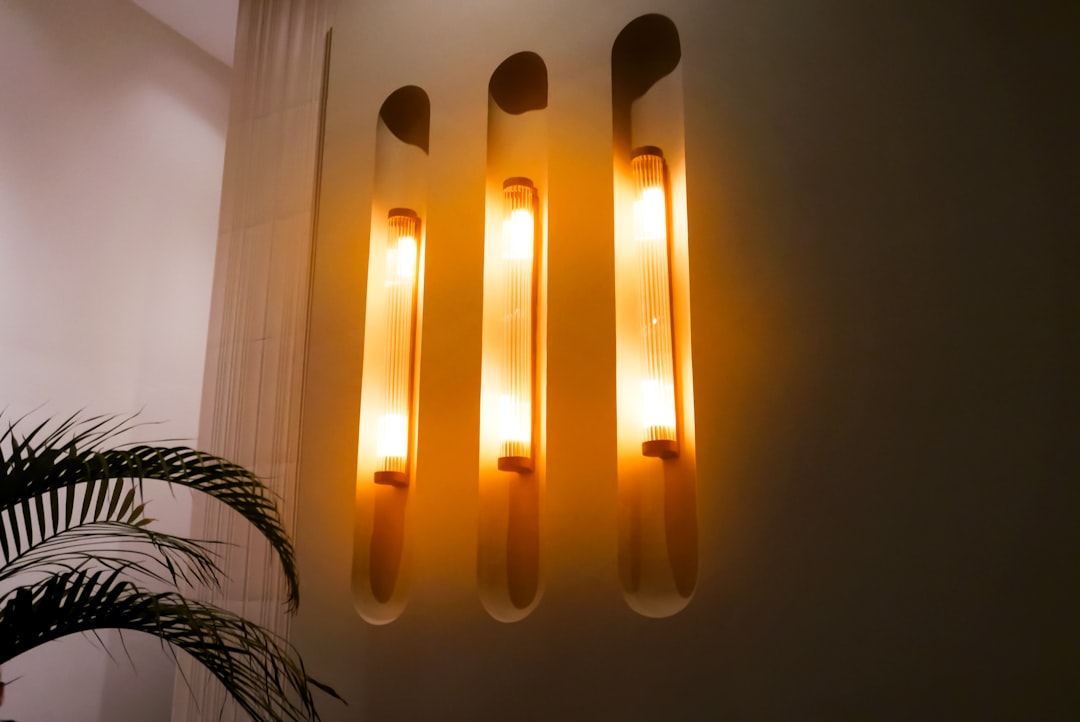
So, you’re thinking about brass wall sconces for your mid-century modern space? That’s a fantastic choice if you’re aiming for that timeless elegance that mid-century design does so well. These fixtures aren’t just about light; they’re about adding character, history, and a sophisticated glow that really speaks to the era.
Why Aged Brass? It’s More Than Just a Finish
When we talk about mid-century style, we often picture clean lines, organic shapes, and a connection to natural materials. Kosakai aged brass fits right into this picture, not as a bright, flashy statement, but as a more nuanced, sophisticated accent.
The Subtle Charm of Patina
Aged brass, with its developing patina, offers a depth and warmth that new, polished brass just can’t replicate. Think of it as a well-loved piece of furniture or a vintage record – it has a story to tell.
What Exactly is Patina?
Patina is the natural oxidation of brass. Over time, exposure to air, moisture, and even just touch causes a chemical reaction on the surface. This results in subtle variations in color, often moving towards deeper golds, greens, and browns. It’s not damage; it’s character development.
The Mid-Century Appreciation for Time
The mid-century modern movement embraced materials that aged gracefully. They understood that things didn’t have to be pristine to be beautiful. A well-worn leather armchair, a beautifully aged wooden table, and yes, a brass fixture that has mellowed over the years – these all contribute to a lived-in, authentic feel.
Beyond the Shine: The Color Palette
Aged brass tends to have a richer, more muted color than polished brass. This makes it incredibly versatile.
Harmonizing with Wood Tones
Mid-century design often features a lot of natural wood – teak, walnut, mahogany. The warm, earthy tones of aged brass complement these woods beautifully, creating a cohesive and inviting look. It doesn’t compete; it enhances.
Complementing Other Metals
While some might shy away from mixing metals, aged brass can surprisingly play well with others, especially in a mid-century context. Think of it paired with brushed nickel or even black accents. The key is that the aged brass provides a softer, less jarring contrast.
The ‘Glow’ Factor
When lit, aged brass sconces emit a softer, more diffused light. This is perfect for creating atmosphere. It’s not harsh or glaring; it’s a warm, inviting ambiance that’s central to the mid-century aesthetic.
Key Features of Mid-Century Brass Wall Sconces
When you’re browsing for that perfect sconce, there are a few design elements that often pop up in mid-century brass pieces. Recognizing these will help you nail the look.
Form Follows Function (with a twist)
Mid-century design is often about clean, simple forms that are also practical. Brass sconces from this era, or those inspired by it, will likely reflect this philosophy.
Geometric Simplicity
Expect clean lines, circles, squares, and rectangles. Forms are usually uncomplicated, but with an elegant simplicity that feels intentional. Think of a simple cylindrical shade or a gently curved arm.
Minimalist Arms and Mounts
The hardware itself is often understated. Arms might be slender and straight, or gently curved, designed to hold the light source without drawing excessive attention to themselves. The mounting plates are usually simple and circular or square.
The Shade: A Crucial Element
The shade is where a lot of the visual interest and light diffusion happens. Mid-century brass sconces often feature shades made from materials that complement the brass and the overall aesthetic.
Frosted or Opal Glass
This is a classic choice. Frosted or opal glass shades soften the light beautifully, creating a gentle, ambient glow that’s very characteristic of mid-century lighting. It prevents glare and spreads the light evenly.
Mushroom or Globe Shapes
These organic shapes are frequently seen. A frosted globe or a mushroom-shaped shade can add a touch of playful sophistication to a brass sconce.
Other Material Possibilities
While glass is common, you might also find shades made from textured fabric, rice paper, or even cleverly shaped metal that mimics natural forms. The key is that the material contributes to the overall warmth and diffused light.
Scale and Proportion
Mid-century design was mindful of how pieces fit into a space. Brass sconces from this era are usually not overly large or ostentatious.
Designed for Ambiance, Not Task Lighting
Many mid-century sconces were designed to provide accent or ambient lighting, rather than intense task lighting. This means their scale is often modest, fitting comfortably on a wall without overwhelming it.
Versatility in Placement
Their size makes them adaptable. They work well in hallways, flanking fireplaces, beside beds, or in living areas to add layers of light.
Where to Place Your Aged Brass Wall Sconce
The placement of your aged brass wall sconce is as important as the fixture itself. It’s about creating a harmonious flow and enhancing your décor.
Entryways and Hallways: The First Impression
These are prime spots for wall sconces. They greet guests and guide them through your home.
Setting the Tone
A pair of aged brass sconces flanking your front door, either inside or out, can immediately signal a sense of welcoming warmth and refined style.
Illuminating Pathways
In hallways, sconces provide essential light without taking up floor space, making even narrow passages feel more inviting and less like a tunnel. They’re also great for highlighting artwork or architectural features.
Living Areas: Layers of Light and Atmosphere
In your main living spaces, brass sconces are perfect for adding that crucial ambient layer.
Flanking a Fireplace
This is a classic placement that adds symmetry and visual balance. The warm glow from the brass enhances the cozy atmosphere of a fireplace.
Beside Seating Areas
Place sconces beside sofas or armchairs to provide reading light or simply to create a soft, inviting mood for conversations.
Highlighting Artwork or Architectural Niches
Use them strategically to draw attention to your favorite pieces or to add depth to a recessed area.
Bedrooms: A Touch of Sophistication
Brass sconces can elevate a bedroom from functional to a sanctuary.
Bedside Illumination
Replace traditional table lamps with wall sconces for a cleaner look and more usable bedside table space. This is particularly effective in smaller bedrooms.
Creating a Relaxing Ambiance
The soft light from aged brass sconces is ideal for winding down before sleep, contributing to a serene atmosphere.
Beyond the Usual: Creative Placements
Don’t be afraid to think outside the traditional boxes.
Kitchen or Dining Nooks
A small, elegant aged brass sconce can add charm to a cozy kitchen breakfast nook or a small dining area.
Bathrooms (with caution)
While possible, ensure they are placed far enough from the direct splash zone and are rated for damp environments if necessary. They can add a touch of unexpected glamour.
Integrating Aged Brass Sconces into Your Mid-Century Palette
It’s not just about the sconce itself, but how it interacts with the rest of your décor. Aged brass is surprisingly adaptable.
Complementing Wood and Natural Materials
As mentioned, wood is a mid-century staple. Aged brass is its perfect partner.
Teak, Walnut, and Oak
The warm, golden tones of aged brass resonate beautifully with the rich hues of these woods, creating a cohesive, organic feel.
Natural Fibers and Textures
Think about how the brass will look alongside rattan, jute, wool, and linen. It adds a touch of sophisticated warmth to these more textured, earthy elements.
Working with Color Schemes
Mid-century palettes often include earthy tones, muted pastels, and pops of brighter color.
Earthy Tones and Neutrals
Aged brass is a natural fit for rooms featuring browns, beiges, creams, and olive greens. It adds a touch of understated luxury.
Muted Pastels
Pairing aged brass with soft blues, greens, or pinks creates a retro feel without being overwhelming. The brass adds depth to these lighter shades.
Bold Accents
If your room has bolder accents (think mustard yellow, teal, or burnt orange), aged brass can act as a grounding element, providing a touch of timeless elegance that prevents the bolder colors from feeling too jarring.
Mixing with Other Metals
This can be done successfully if approached thoughtfully.
The Power of Patina
Because aged brass has a more mellow, oxidized finish, it tends to blend more harmoniously with other metals than highly polished brass.
Balanced Pairings
Consider pairing aged brass with matte black finishes for a graphic, modern edge, or with brushed nickel or chrome for a more subtle, refined contrast. The key is consistency in the level of finish – avoid mixing ultra-polished with highly matte.
Maintenance and Care for Your Aged Brass Sconces
The beauty of aged brass is that it requires minimal, if any, maintenance. In fact, over-cleaning can sometimes detract from its charm.
Embracing the Natural Patina
The goal is usually to preserve and even enhance the existing patina, not to return the fixture to a bright, shiny state.
What Not to Do
Avoid using harsh chemical cleaners or abrasive pads. These can strip away the patina and damage the finish.
Gentle Cleaning
For dust, a soft, dry microfiber cloth is usually sufficient. If there’s a bit more grime, a slightly damp cloth (water only) can be used, followed by immediate drying.
Addressing Unwanted Patina (Rarely Needed)
In some rare cases, you might encounter some unwanted tarnish or discoloration that you wish to address.
Spot Treatments
If you need to address a specific spot, you might try a very mild, brass-specific cleaner, applying it only to the affected area with a soft cloth. Always test in an inconspicuous spot first.
Professional Advice
If you’re unsure or dealing with a valuable antique, it’s always best to consult with a lighting professional or restoration expert before attempting any cleaning or restoration.
Enhancing the Patina (For Enthusiasts)
Some people enjoy the process of developing patina. There are specific products and techniques that can accelerate this, but they should be used with caution and a clear understanding of the desired outcome. This is usually for those who have a specific vision for their fixture.
Wiring and Electrical Considerations
Ensure your sconces are properly wired and installed by a qualified electrician. Older fixtures might require updated wiring for safety and compliance with modern electrical codes.
The Enduring Appeal of Timeless Elegance
Aged brass wall sconces are more than just light fixtures; they are curated pieces that contribute to the narrative of your home. They embody that mid-century commitment to quality, honest materials, and enduring style.
A Nod to Craftsmanship
These fixtures often speak to a time when lighting was designed with thoughtfulness and attention to detail, rather than mass production.
Creating a Sense of Place
They help define the aesthetic of your space, imbuing it with a warmth, sophistication, and a touch of history that generic lighting often lacks.
A Smart Investment
While aesthetics are key, a well-chosen, quality brass sconce is also a durable piece that can last for decades, becoming a cherished part of your home’s story.
The Comfort of Consistency
In a world of fast trends, the enduring appeal of mid-century style and the timeless quality of aged brass offer a comforting sense of continuity and sophisticated simplicity.
By choosing aged brass wall sconces, you’re not just adding light; you’re adding soul to your mid-century modern interiors. They’re a statement of refined taste, an appreciation for the passage of time, and a commitment to creating a home that feels both stylish and deeply personal.